












Premium Puja Events
Featured
Durga Puja
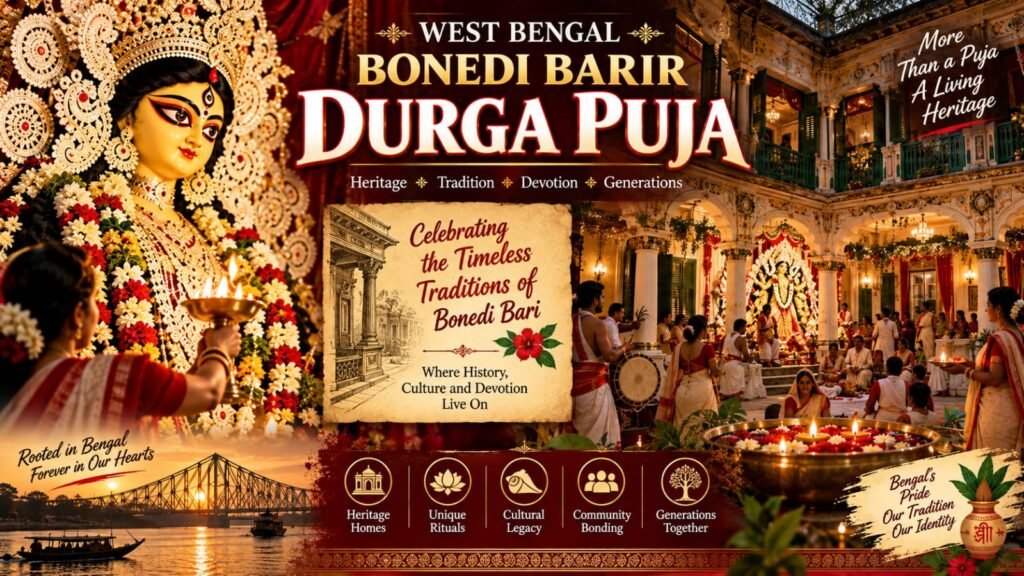
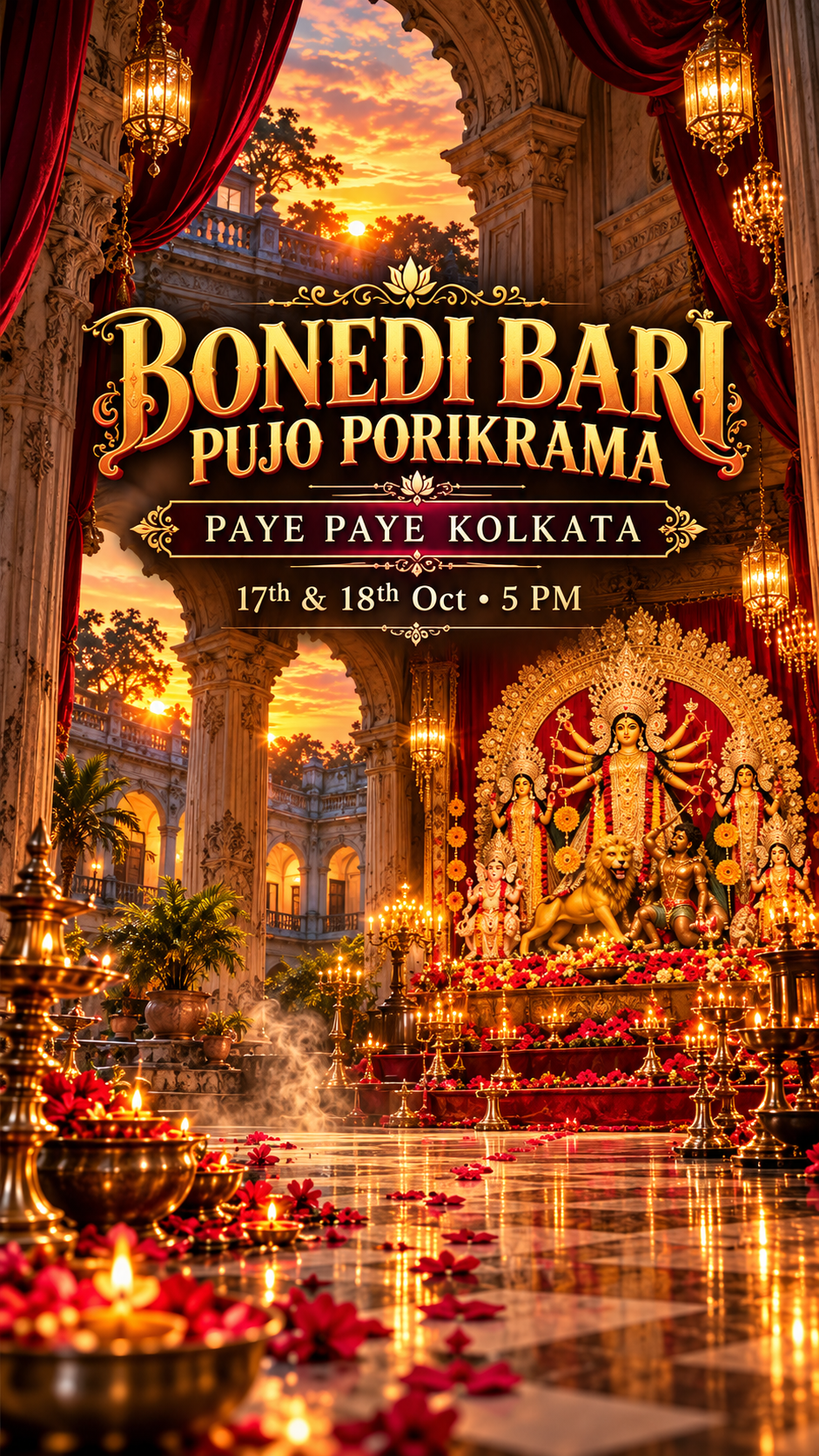
Kolkata
Featured
Durga Puja
Nagpur
Featured
Durga Puja
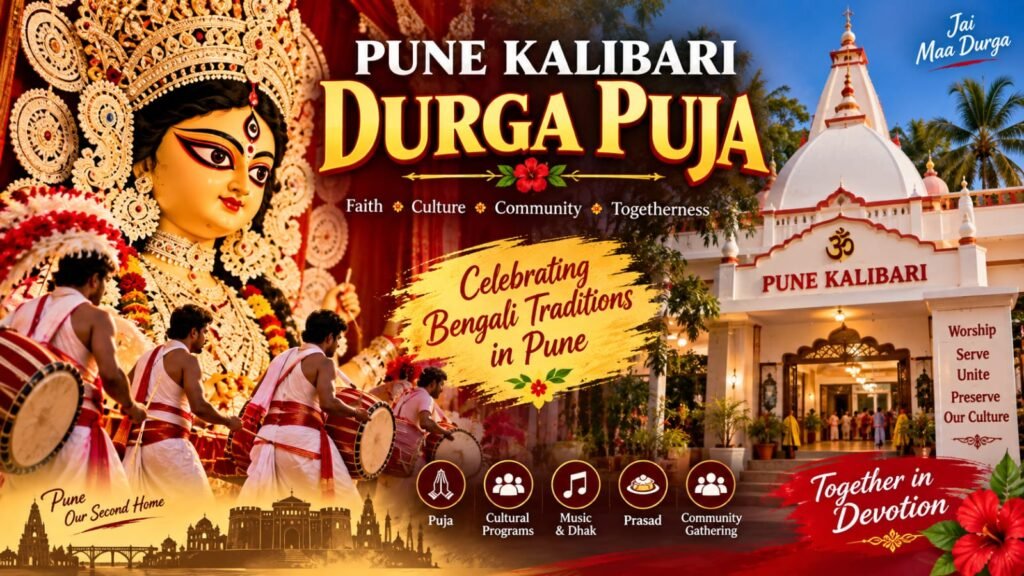
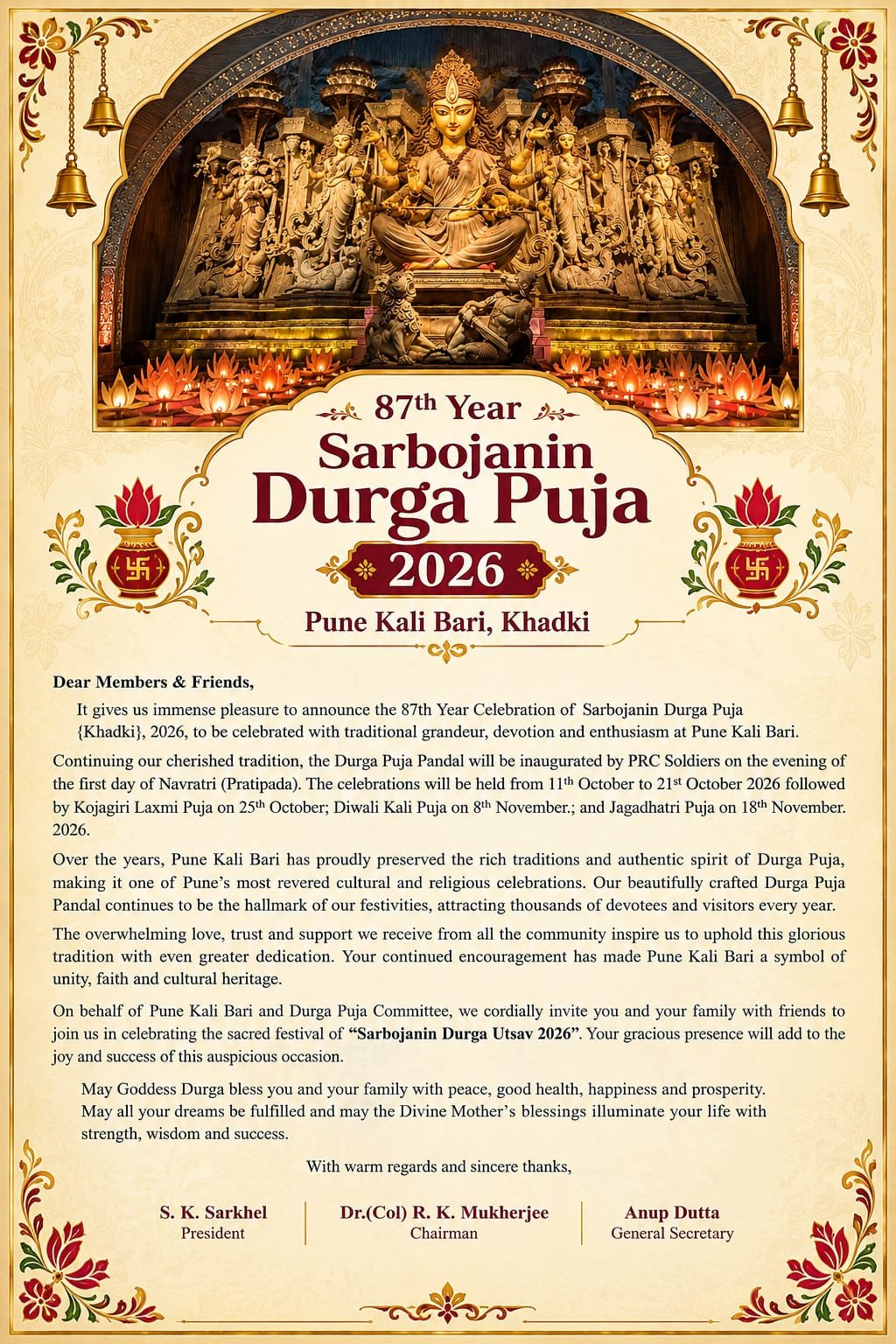
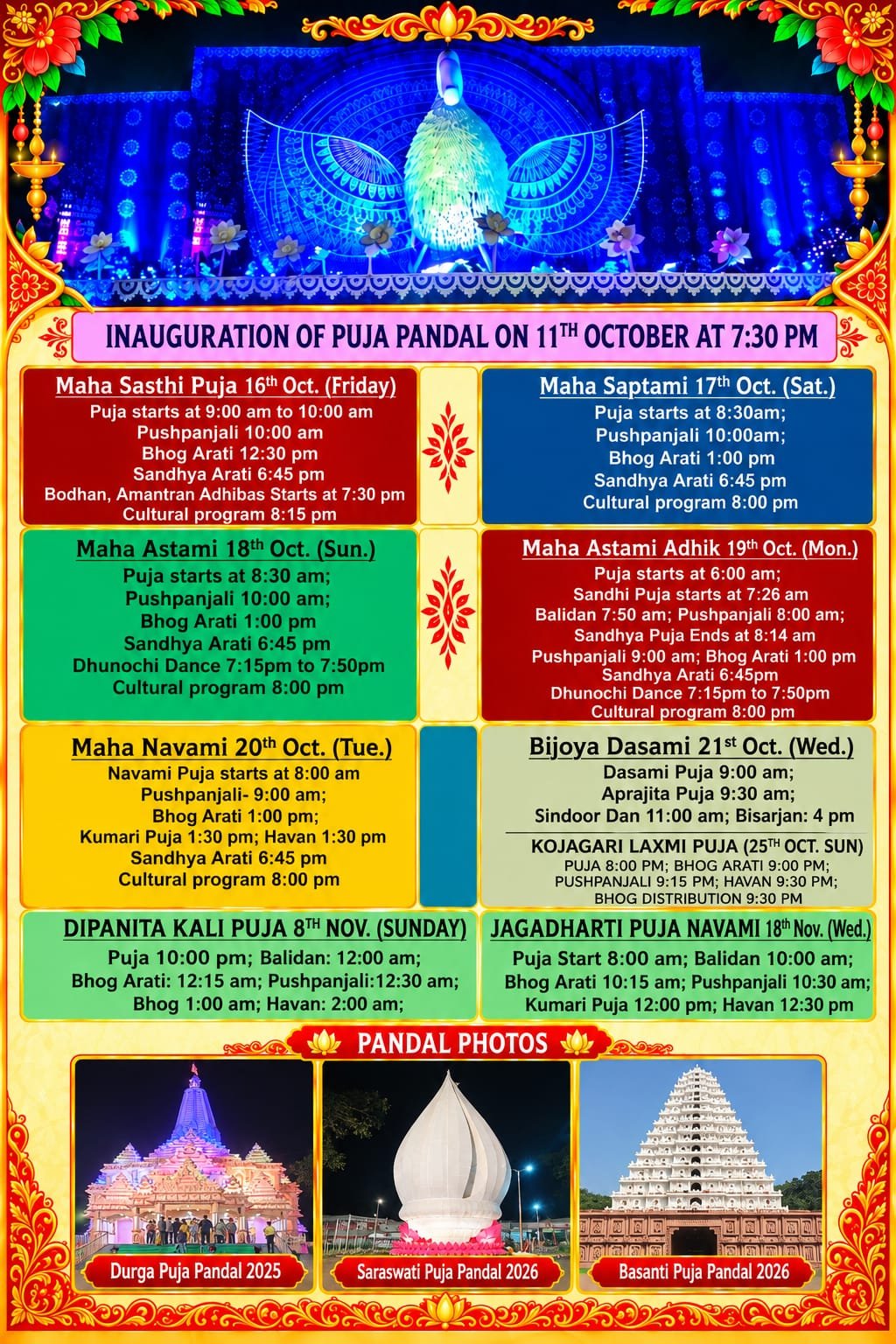
Pune Durga Puja
Featured
Durga Puja
Pune Durga Puja
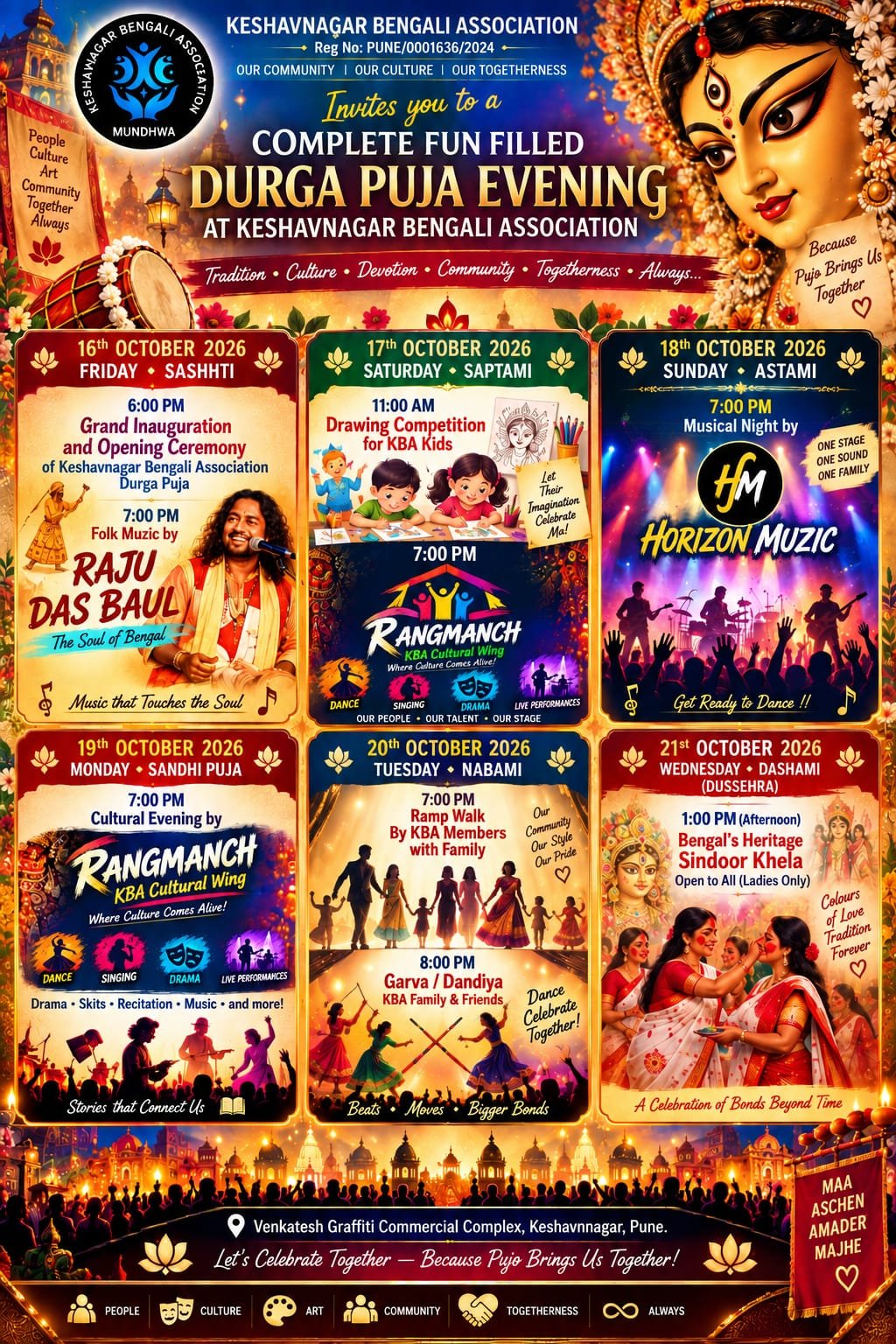
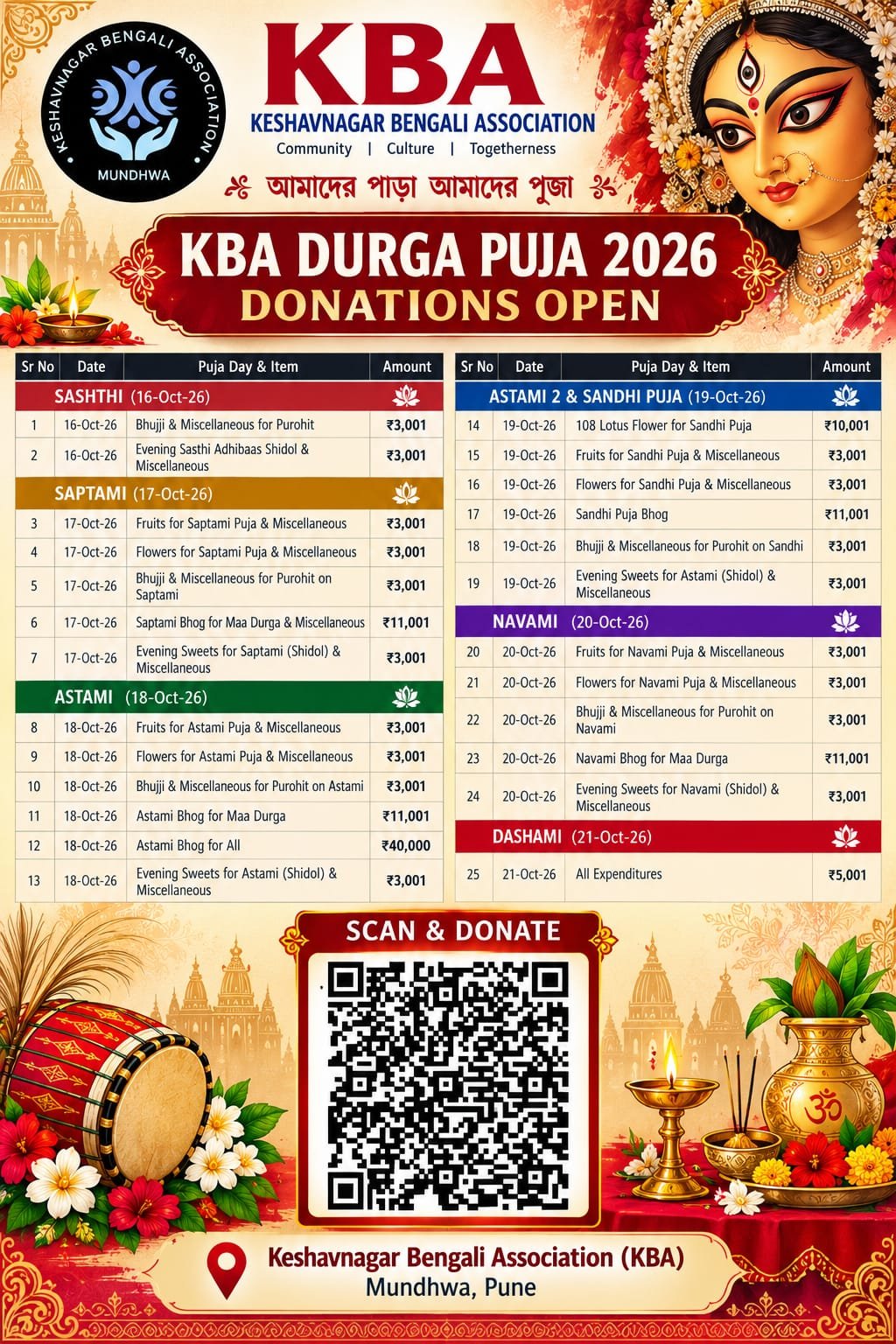
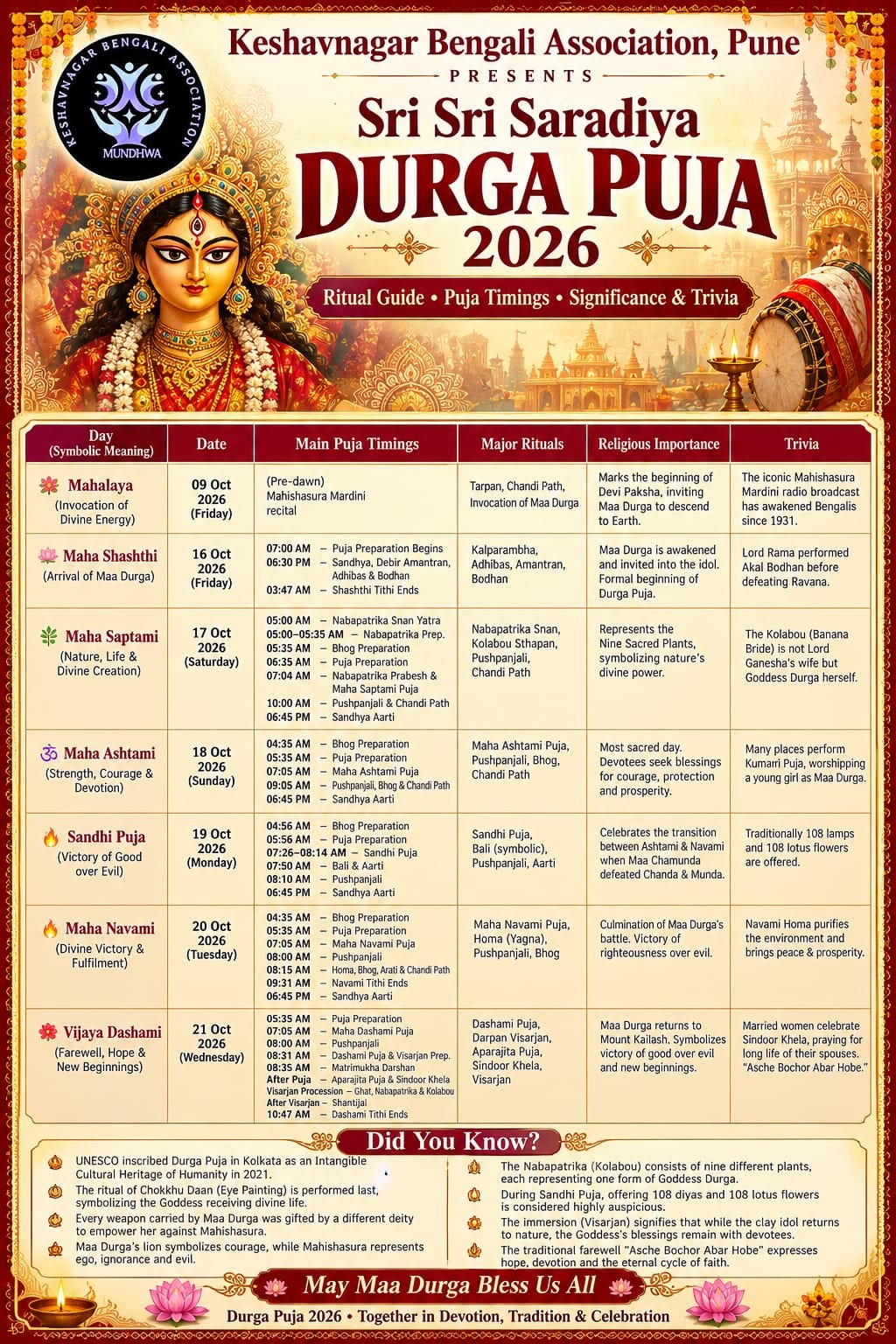
Durga Puja 2026 Events
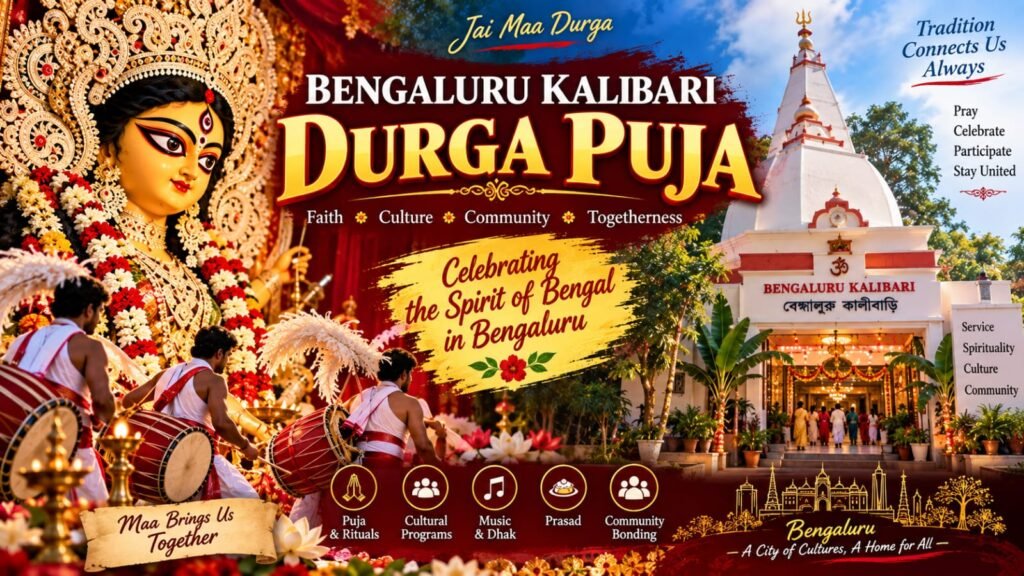
Pune and Bengaluru • Activities • Events • Amenities
Disclaimer
Booking is confirmed only after payment is received and manually verified by the admin/committee.Terms & Conditions
Subscription is subject to event availability and committee terms. Payment confirmation is required before booking confirmation.Puja Events
More from Our Blog
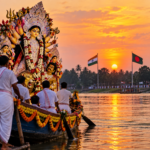 Durga Puja and the Ichamati River ancient HistoryThe Ichamati River at Taki in West Bengal holds a unique place in the story of Durga Puja. For generations, the people of Taki and the surrounding region have celebrated the festival with deep devotion, and the historic Taki Rajbari Puja is traditionally associated with a history of more than three centuries.
The most remarkable part of the celebration takes place on Vijaya Dashami. As the time for immersion arrives, beautifully decorated boats carry Durga idols onto the Ichamati River. The scene becomes especially meaningful because the river flows along the present-day India–Bangladesh border.
Before the Partition in 1947, the communities on both sides of the Ichamati belonged to the same broader cultural region. Although the creation of an international border changed the political landscape, many Bengali traditions and cultural connections continued across the region.
The Dashami immersion on the Ichamati has therefore become an important cultural tradition of Taki. Boats carrying the idols gather on the river, while people on the banks come together to witness the farewell to Goddess Durga.
Today, the immersion is conducted under applicable security and border regulations, but the tradition continues to remain an important part of Taki’s cultural identity.
During Durga Puja, the Ichamati becomes more than a river. It represents Bengal’s shared cultural heritage, history and traditions, bringing together memories of a region whose cultural bonds have continued across changing borders.Read More ↗
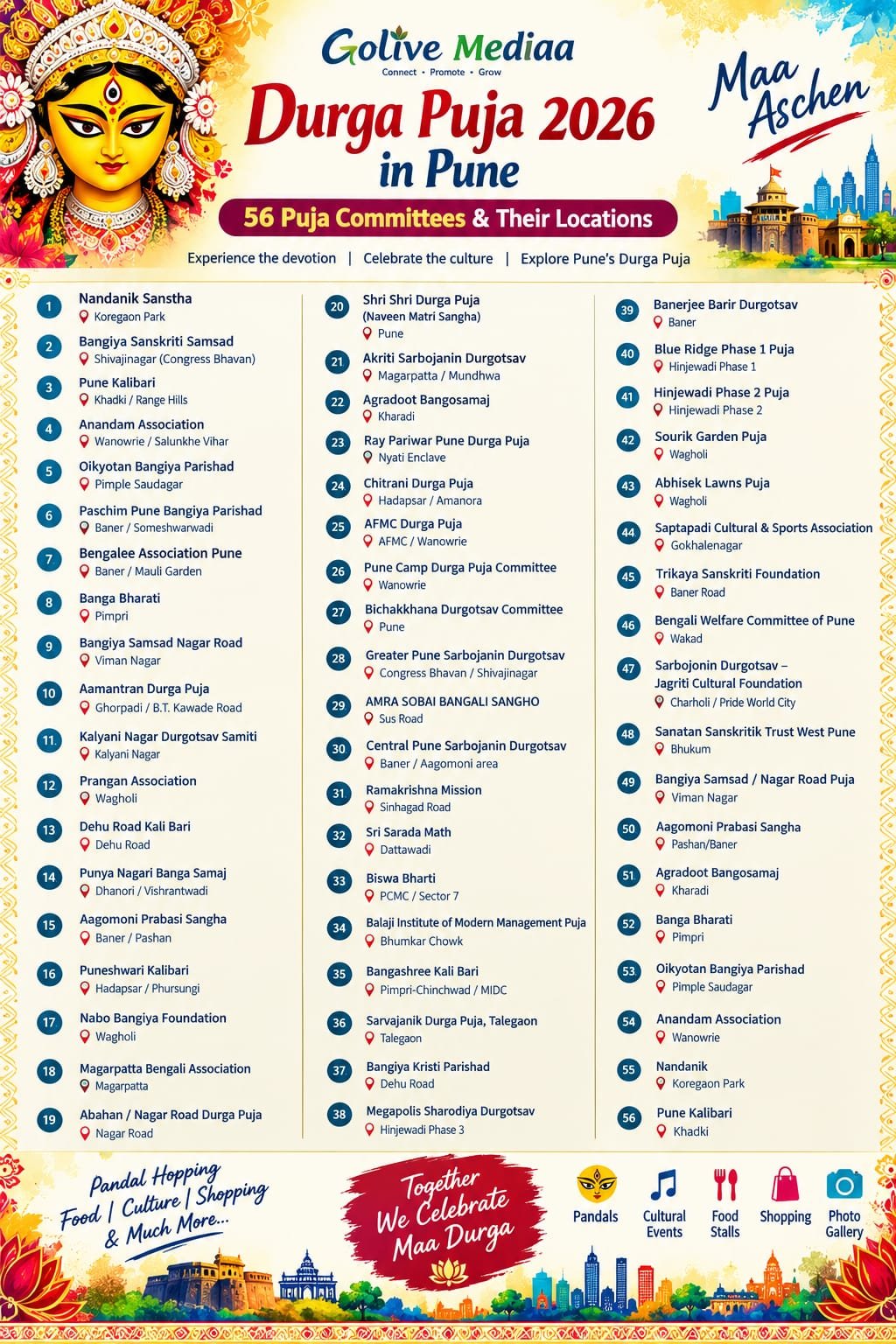
 Durga Puja Pandals Across Major Indian Cities — 2026Pune — 50+ pandals
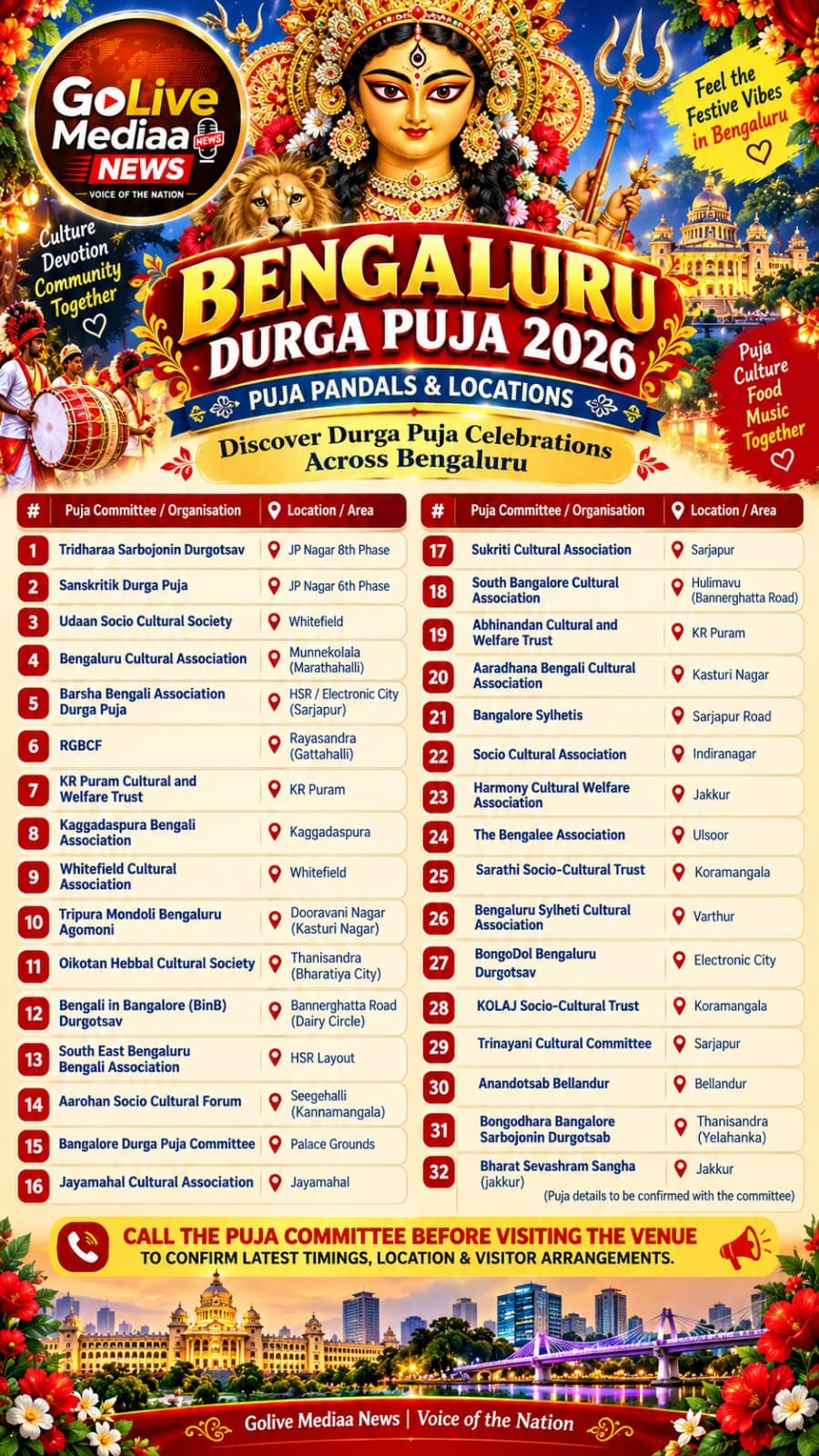
Bengaluru — 100+ pandals
Kolkata — 3,000+ pandals
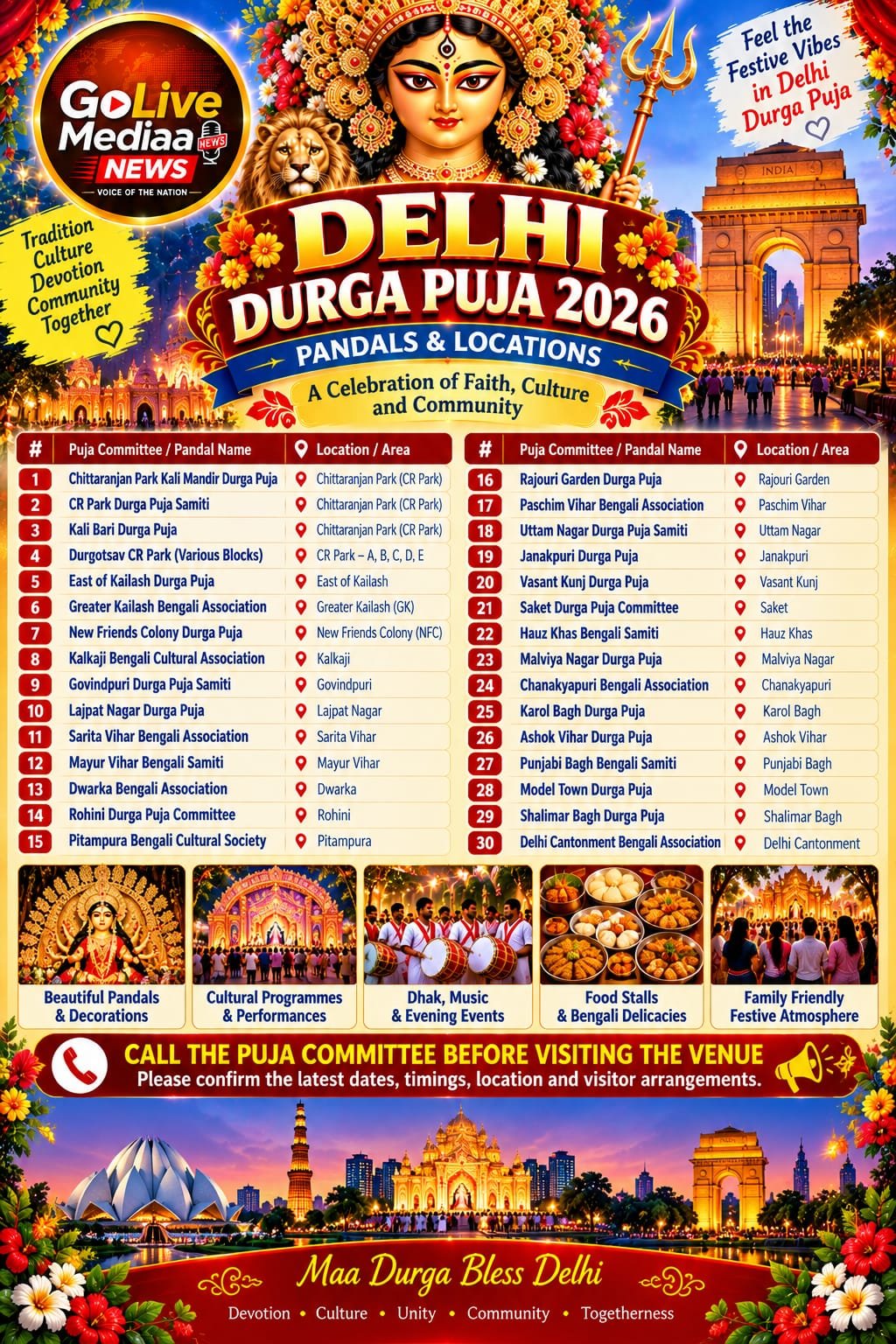
Delhi — 350+ pandals
Chennai — 20+ pandals
Mumbai — 100+ pandals
Hyderabad — 50+ pandals
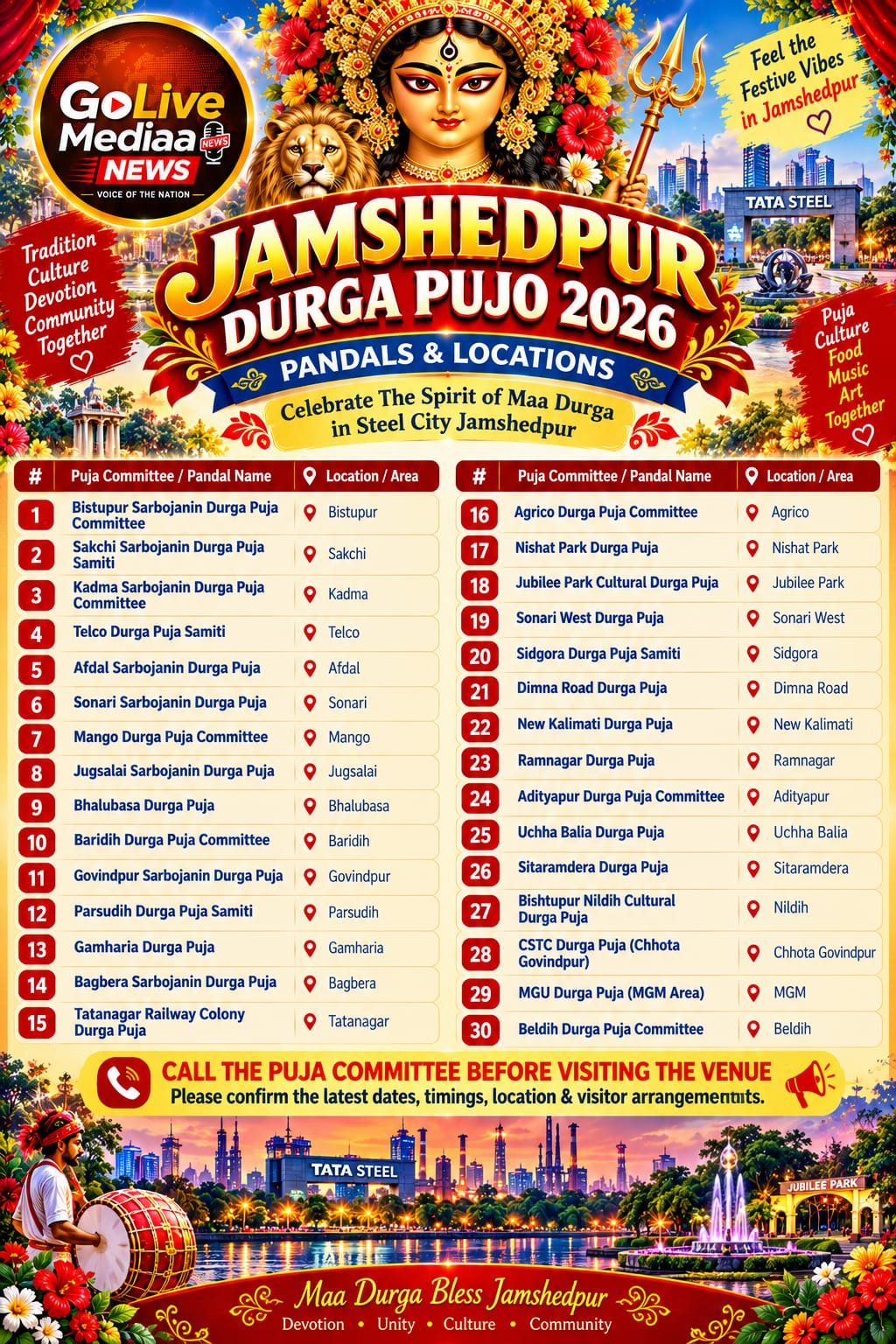
Jamshedpur — 350+ pandals
Patna — 550+ pandals
Bhubaneswar — 190+ pandalsRead More ↗
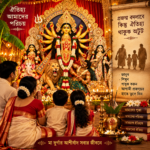 What Should We Do During Durga Puja?Durga Puja is not only a time for celebration and enjoyment—it is also a time to reconnect with Maa Durga, our family, our roots and our ancestral traditions.
Maa Durga comes to us every year to bless us. While enjoying the festivities, let us also spend a little quiet time with Maa. Participate in the Puja rituals, offer your prayers and seek Her blessings for yourself and your family.
If your family has been celebrating Durga Puja for generations, take this opportunity to sit together and talk about your family Puja and lineage. Tell the younger generation who started the Puja, how it was celebrated by your ancestors, and how the tradition has continued through the years.
Generations may change, but our ancestral traditions should not be forgotten. Wherever possible, let us preserve our family Puja and pass its rituals, stories and values to the next generation.
This Durga Puja, celebrate with joy, participate with devotion, remember your ancestors and spend a little time with Maa Durga.
Keep the tradition alive. Let the next generation know where they came from.
দুর্গাপূজায় আমাদের কী করা উচিত?
দুর্গাপূজা শুধু আনন্দ ও উৎসবের সময় নয়—এটি মা দুর্গার সঙ্গে, পরিবার, শিকড় এবং আমাদের পূর্বপুরুষদের ঐতিহ্যের সঙ্গে নতুন করে যুক্ত হওয়ার সময়।
মা দুর্গা প্রতি বছর আমাদের আশীর্বাদ দিতে আসেন। উৎসবের আনন্দের পাশাপাশি কিছুটা সময় মায়ের সঙ্গে কাটাই। পূজার সমস্ত আচার-অনুষ্ঠানে অংশ নিই, প্রার্থনা করি এবং নিজের ও পরিবারের মঙ্গল কামনা করি।
আপনার পরিবারে যদি বংশপরম্পরায় দুর্গাপূজা হয়ে থাকে, তাহলে পরিবারের সকলে একসঙ্গে বসে সেই পারিবারিক পূজার ইতিহাস নিয়ে আলোচনা করুন। পরবর্তী প্রজন্মকে জানান—কে এই পূজা শুরু করেছিলেন, কীভাবে আপনার পূর্বপুরুষরা পূজা করতেন এবং কীভাবে সেই ঐতিহ্য আজও চলে আসছে।
প্রজন্ম বদলাবে, সময় বদলাবে, কিন্তু আমাদের পূর্বপুরুষদের ঐতিহ্য যেন হারিয়ে না যায়। যতটা সম্ভব পারিবারিক পূজার রীতি, আচার, গল্প ও মূল্যবোধ পরবর্তী প্রজন্মের হাতে তুলে দিন।
এই দুর্গাপূজায় আনন্দ করুন, ভক্তির সঙ্গে পূজায় অংশ নিন, পূর্বপুরুষদের স্মরণ করুন এবং কিছুটা সময় মা দুর্গার সঙ্গে কাটান।
ঐতিহ্যকে বাঁচিয়ে রাখুন।
পূর্বপুরুষদের স্মরণ করুন।
আগামী প্রজন্মকে তাদের শিকড়ের সঙ্গে পরিচয় করিয়ে দিন।Read More ↗
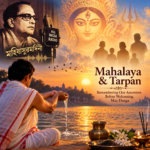 Mahalaya & Tarpan — Remembering Our Ancestors Before Welcoming Maa DurgaMahalaya holds a special place in the hearts of Bengalis. It marks the traditional transition from Pitru Paksha, a period associated with remembering and honouring our ancestors, to Devi Paksha, the auspicious period leading towards the worship of Maa Durga.
On Mahalaya, many people perform Tarpan—a traditional offering of water, often with sesame seeds, while remembering their departed ancestors with reverence.
Tarpan is a way of expressing gratitude and remembering those who came before us. It reminds us that our families, traditions and values have been passed down through generations.
Mahalaya is also closely associated with the iconic radio programme Mahishasuramardini, presented in the powerful voice of Birendra Krishna Bhadra. His recitation of the Chandipath, along with devotional verses and the invocation of Goddess Durga, has become an enduring part of the Mahalaya morning tradition for generations of Bengalis.
For many Bengali families, Mahalaya is therefore both a time of remembrance and a time of preparation. We remember our ancestors, seek their blessings and prepare to welcome Maa Durga.
🙏 Remember our ancestors.
🌺 Honour our traditions.
🪔 Welcome Maa Durga with devotion.
Mahalaya reminds us that before we celebrate the arrival of the Goddess, we should also remember the generations whose blessings and traditions have brought us to where we are today.Read More ↗